Category: Case Studies

  • Identify New Ways to do Old Things

    Identify New Ways to do Old Things

    Case Study 4: Streamlining Operations and Reducing Costs in Retail

    Challenge: Reduce operational inefficiencies and boost profitability in a fast-paced retail environment.

    Approach: After spending time observing the flow of traffic through the store by both employees and customers I identified areas where bottlenecking was hampering sales.

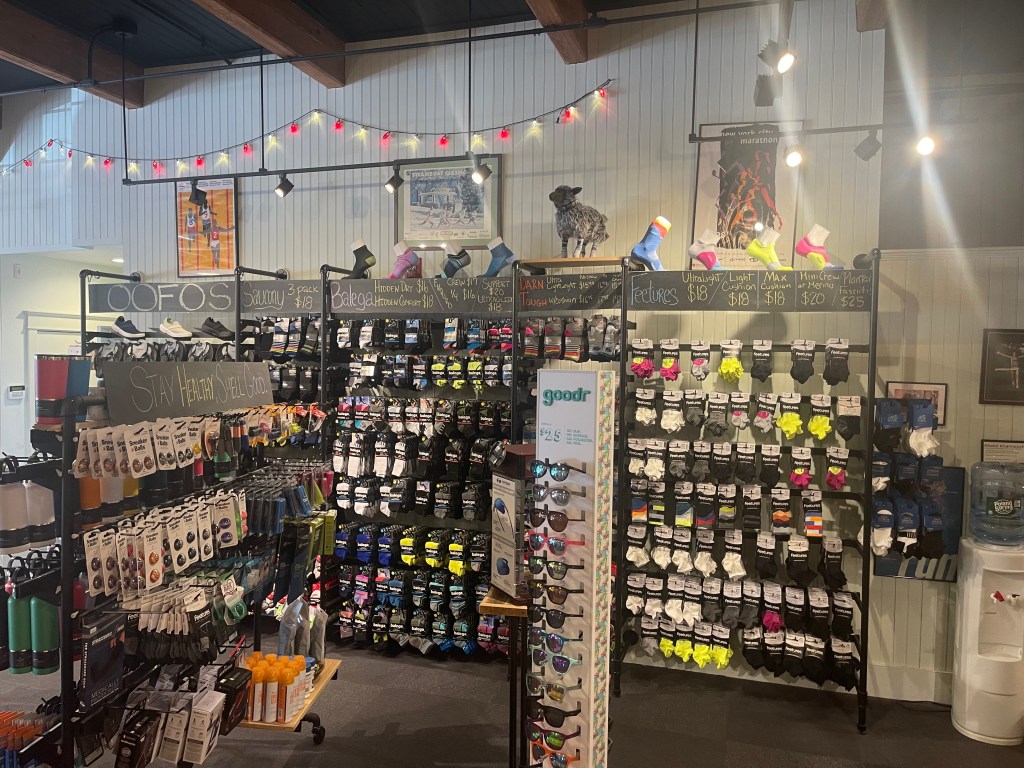
    On the sales floor I aligned aisles to make them easier to pass through and see from multiple points in the store. I increased signage to direct people where they wanted to be, and the wall space for our best selling and profitable items to make them visible and easy to shop. I placed high ticket items near points where there would most likely be an employee to interact with the customer and answer questions.

    In the store room I did a complete overhaul and changed the entire inventory setup to make it easier for staff to pass through aisles and not be in each other’s way. It created a place for add-on items near the exit of the storeroom for staff to easily grab on their way out. Finally I created a new storage area to increase visibility of back stock items to be restocked quicker.

    Lastly, I implemented systems for employees to bring customers through their sales journey. This made sure that every point of their experience was connected to a product to increase ticket counts and overall sales.

    Results: With one of the largest stores by square foot in the company we were able to operate with one of the smallest staffs and have the highest Items Per Ticket count and Sales Per Ticket than every other store.

  • Entering The Social

    Entering The Social

    Case Study 3: Achieving Highest Social Media Engagement in Region

    Challenge: Improve local customer engagement and brand visibility through digital channels.

    Approach: Three different stores shared one account to which our Marketing team also had access. Our Marketing team had recently been reduced from 3 to 1, and lost our most senior staff. After judging strengths and weakness of our abilities in marketing it was narrowed down to myself and another store manager to handle a bulk of the messaging.

    We committed to doing a large scale A/B test to see which kind of content got more engagement over the next year.

    The focus of my content was about creating moments. Generally we focused on the fun side of running, but also made sure to include a good amount of helpful knowledge and information. Knowing that our primary demographic was women aged 32-50, professional, and college educated we wanted to be fun, smart, but a bit silly and educational.

    Results: The posts I created had a 6% higher interaction rate than the posts done by the other store manager and the few by Marketing. We were able to increase our customer and follower counts by acquiring new audiences the previous marketing team had ignored.

  • Building a Community Builds a Business

    Building a Community Builds a Business

    Case Study 2: Expanding Community Engagement Through Events

    Challenge: Build brand visibility and deepen customer loyalty in a small market when up against a larger competitor and online sales.

    Approach: I coordinated and promoted in-store and off-site events, including group runs, product launches, and training clinics. The key was to build events that would interest our strongest customer base. That demographic was women who are aged 32-50, professional, and have a college education.

    Most of the events I created were to bring education and fun at the same time. One was a self defense course led by a local woman-owned and taught gym, another was a techno yoga night. These unique events appealed to our core demographic, but also outside of that demographic as well.

    The self defense course was attended by women of all ages and the techno yoga night attracted a younger audience and some men too. These events also tied into products we sold such as safety devices and visibility accessories.

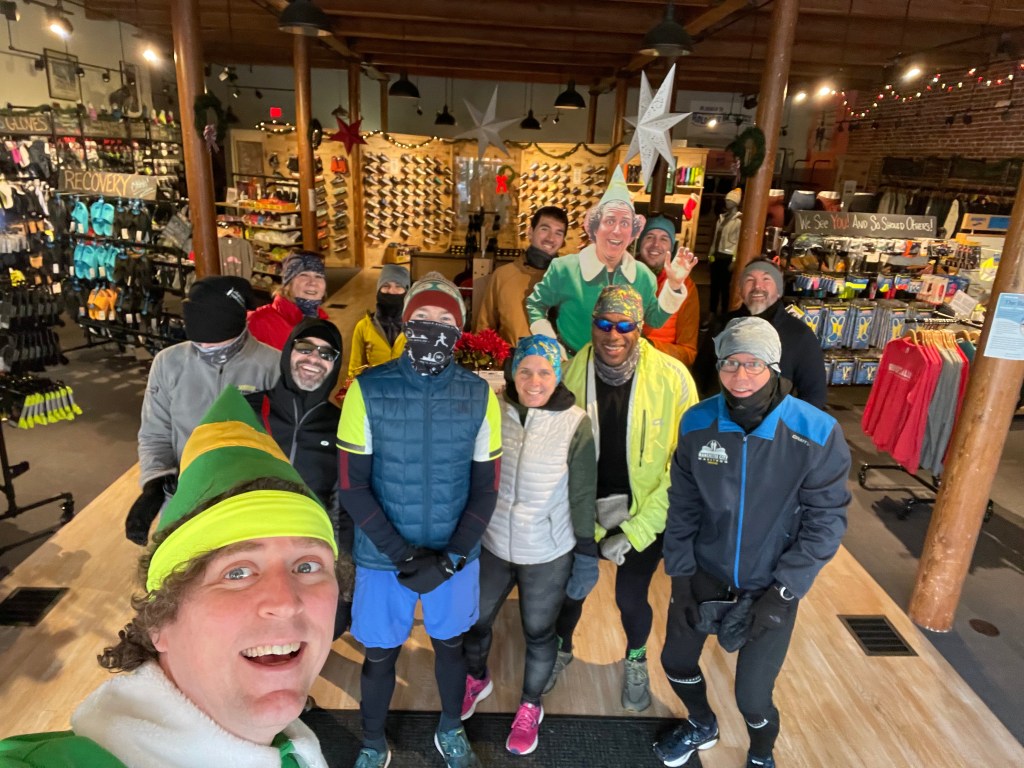
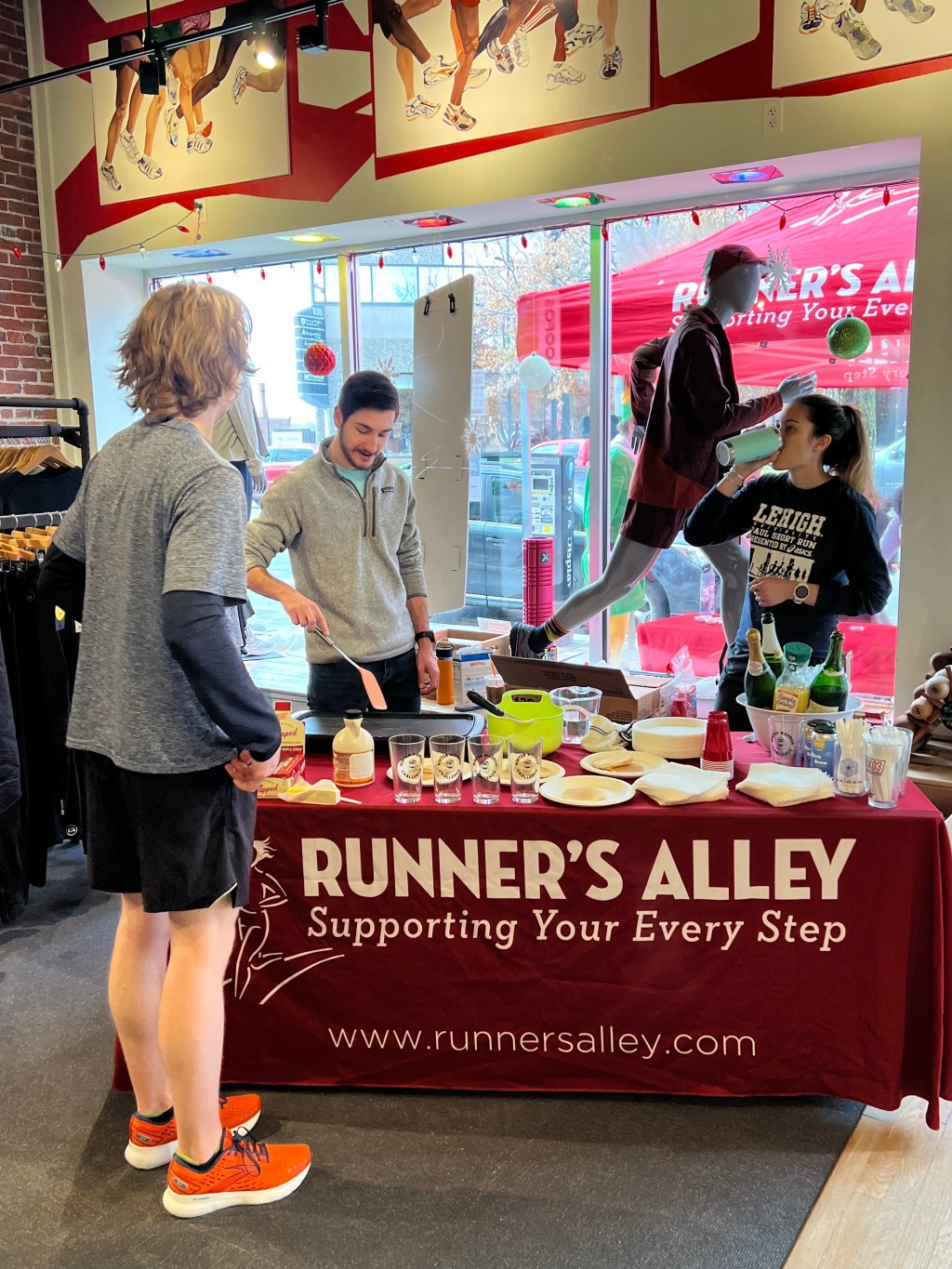
    Other events were demo nights of new shoes that have been launched paired with a special event. A few times I collaborated with a local running group to bring a demo shoe run to them and during their annual scavenger hunt. Another time we hosted a syrup lap run on New Year’s Day with a house made pancake breakfast to promote a maple syrup based energy gel.

    These events fostered a stronger sense of community, encouraged repeat visits, and positioned the store as a trusted resource for local runners.

    Results: Increased foot traffic during key campaigns, improved customer retention, and significantly strengthened the store’s reputation as a community hub for running enthusiasts.

    (Editor’s note: My store was called Runner’s Alley before it was changed to Marathon Sports.)

  • Pandemic Recovery

    Pandemic Recovery

    Case Study 1: Driving 25% Sales Growth at Marathon Sports

    Challenge: My Marathon Sports location needed to increase sales performance and customer engagement after the pandemic started to recede, when competition from big-box retailers and online shopping was strong.

    Approach: As Store Manager and Marketing Strategist, I led a complete visual merchandising overhaul, redesigned the store layout to improve customer flow and product discovery, and developed a localized social media strategy to reach new audiences and promote events.

    This included the creation of multiple new events, advertising, and collaboration with new and old partners. Introduction of new store signage, fixtures, and experimentation with the layout enticed customers further into the store. It also included a custom mural design to bring excitement, energy, and a visual moment for the customer.

    Results: These initiatives drove a 25% sales increase in 2023 over 2021 and propelled the store to rank in the top 3 in multiple KPI categories.